

Introduction to Shredded MHRB
Shredded MHRB is a term commonly used to describe shredded Mimosa hostilis root bark. MHRB stands for Mimosa hostilis root bark, a botanical material associated with the plant scientifically known as Mimosa tenuiflora. The older name Mimosa hostilis remains common in historical references and commercial descriptions. People researching mimosa hostilis root bark for sale can benefit from learning about the species’ botanical background.
The plant has a documented history in parts of Latin America, where it is associated with traditional botanical knowledge and regional cultural practices. Its bark has also attracted attention from researchers investigating plant identification, natural chemical compounds, and ethnobotany.
One of the main distinctions between shredded MHRB and Mimosa hostilis root bark powder is their physical structure. Shredded material consists of recognizable bark fragments, while powder contains smaller particles created through grinding. Understanding this difference helps readers interpret botanical product descriptions and recognize why physical appearance alone cannot establish quality or authenticity.
Understanding Mimosa Hostilis Root Bark
Mimosa hostilis root bark refers to the bark tissue obtained from the roots of a plant historically identified as Mimosa hostilis. Modern scientific publications commonly use the name Mimosa tenuiflora.
The species belongs to the Fabaceae family and grows in parts of Central and South America. It is particularly associated with northeastern Brazil, where it is known as Jurema-preta, and Mexico, where it is commonly associated with the name tepezcohuite.
The plant has been studied for its botanical characteristics, geographical distribution, traditional uses, and naturally occurring chemical constituents. However, its composition can vary according to the plant tissue examined, environmental conditions, and the origin of the sample.
It is important to distinguish root bark from trunk bark because these are different plant tissues. Research involving one should not automatically be treated as evidence about the other. The mimosa hostilis root bark category is relevant to readers researching the plant’s terminology and background.
What Does Shredded MHRB Look Like
Shredded MHRB generally consists of irregular pieces of root bark rather than intact sections or finely ground particles. The fragments may vary in shape, thickness, length, and color.
The final appearance depends on the original bark and the processing method used. Some samples may contain narrow fragments, while others may include a mixture of larger and smaller pieces. When reading about brazilian mimosa hostilis root bark, readers should distinguish documented origin from unverified marketing language.
Because shredded material retains more of the original bark’s structure than powder, some physical features may remain visible. Nevertheless, these features are not sufficient to confirm the botanical identity or purity of a sample.
The term shredded also does not have one universally standardized particle-size definition. Product descriptions can differ between suppliers, making clear information about the plant species and plant part especially important.
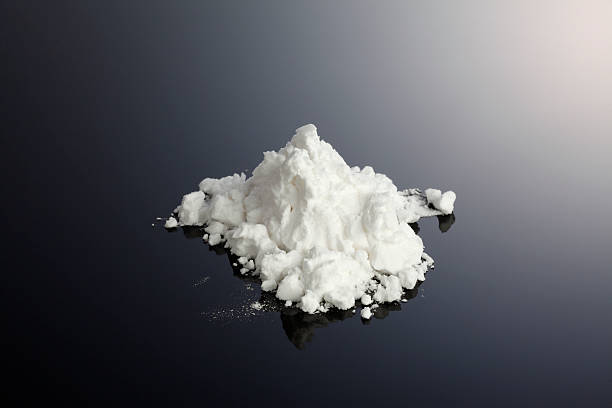
What Is Mimosa Hostilis Root Bark Powder
Mimosa hostilis root bark powder is a ground form of the same general botanical material. It is produced by reducing dried root bark into smaller particles. When evaluating mexican mimosa hostilis root bark, geographic claims should be supported by reliable documentation.
Depending on the processing method, the powder may have a relatively uniform texture or contain particles of different sizes. Its color and appearance can also vary. The hostilis mimosa root bark powder page is relevant to discussions of processed plant materials.
Grinding changes the physical structure of the bark but does not automatically change its chemical composition in a predictable way. The characteristics of the final material depend on the original plant tissue, growing conditions, handling, and processing.
Powdered material also has fewer recognizable features of the original bark. As a result, verifying its botanical identity may require reliable sourcing documentation or suitable laboratory methods rather than visual inspection alone.
The Main Differences Between Shredded MHRB and Root Bark Powder
Although shredded MHRB and root bark powder may originate from the same plant tissue, they have several physical differences. The mimosa hostilis inner root bark powder description highlights the need for precise botanical labeling.
Particle Size and Texture
Particle size is the most obvious distinction. Shredded MHRB consists of visible fragments, whereas root bark powder consists of smaller particles.
Shredded material often has a rough and irregular appearance. Powder generally looks more granular and may appear more consistent, depending on how it was processed.
These characteristics describe physical form rather than the overall quality of the material.
Appearance and Original Structure
Shredded bark may retain some visible characteristics of the original plant tissue, including irregular surfaces and fibrous structures.
Grinding breaks the bark into smaller particles, making its original structure more difficult to recognize. This can complicate visual examination of powdered botanical material.
Neither form can be authenticated reliably through appearance alone. Accurate identification may require a combination of documentation and appropriate scientific testing.
Processing and Consistency
Shredded and powdered forms differ mainly in the degree of physical processing. Shredded material has been separated into fragments, while powder has undergone additional size reduction through grinding.
Processing methods can influence particle distribution and the uniformity of the final material. Drying, packaging, and storage can also affect its condition. The mimosa hostilis root bark shredded page is relevant to research into botanical product labeling.
Consequently, product descriptions should provide accurate information about the botanical source and processing history rather than relying only on terms such as shredded or fine powder.
Chemical Composition
A change in particle size does not automatically mean a change in chemical composition. Both forms may contain naturally occurring compounds associated with the original plant tissue.
However, two samples can differ chemically even when they have a similar appearance. Differences in geographical origin, plant maturity, tissue type, and storage conditions may contribute to variation.
Reliable analytical testing is necessary to establish meaningful differences in composition. It is not scientifically justified to assume that powdered material is inherently stronger, purer, or better quality than shredded material.
Why Botanical Identification Matters
Botanical identification is important when evaluating any product described as Mimosa hostilis root bark. Readers evaluating shredded mhrb should compare commercial wording with reliable botanical information.
The scientific name Mimosa tenuiflora is widely used in modern botanical literature, while Mimosa hostilis remains common in older publications and commercial terminology. Recognizing both names can help readers locate relevant research.
It is also important to establish which plant part a product contains. Root bark, trunk bark, leaves, and mixed plant material should not be treated as interchangeable.
Shredded material may retain more visible structural information than powder, but this does not guarantee authenticity. Documentation of the botanical source and appropriate identification methods provide stronger evidence than appearance alone.
Traditional and Scientific Background of Mimosa Tenuiflora
Mimosa tenuiflora has a documented place in the ethnobotanical history of Latin America. In Mexico, the plant is associated with tepezcohuite and traditional bark applications. In northeastern Brazil, Jurema-preta has cultural and spiritual significance.
These regional traditions have contributed to scientific interest in the species and its natural chemical constituents.
Researchers examine different aspects of the plant through several disciplines. Botany focuses on its identity and distribution, ethnobotany documents traditional knowledge, and phytochemistry investigates the compounds present in plant tissues.
It is important to distinguish traditional use from established medical evidence. Historical accounts can document how a plant has been used without proving that a particular preparation is safe or effective for a health condition. When examining mimosa hostilis root bark powder, readers should avoid relying on unsupported claims about safety or effectiveness.
Research findings must also be interpreted according to the plant tissue studied. Results involving trunk bark may not fully describe root bark, shredded material, or powdered samples.
Quality and Storage Considerations
The quality of shredded MHRB or root bark powder depends on more than particle size. Correct botanical identification, transparent sourcing, appropriate processing, and contamination control are all relevant considerations.
Powdered material may be more difficult to authenticate visually because grinding removes many recognizable features of the original tissue. Shredded material may preserve more structural detail, but visual examination alone remains insufficient to establish its identity.
Storage conditions can also affect botanical materials. Excessive moisture, unsuitable temperatures, and inadequate packaging may influence their condition over time.
When evaluating product information, readers should look for the scientific name, the stated plant part, geographical origin, and available quality-control documentation. Claims about purity or composition should be supported by suitable evidence.
Responsible Sourcing and Environmental Awareness
Responsible sourcing is an important consideration for wild-harvested botanical materials. Removing roots or substantial amounts of bark can damage individual plants, so harvesting practices should account for regeneration and local ecological conditions.
Mimosa tenuiflora grows in environments that support native vegetation and wildlife. Sustainable management can help reduce unnecessary damage to these habitats and support the long-term availability of plant resources.
Transparent sourcing information can also help readers understand the origin of a botanical product and assess whether its description is adequately supported.
Environmental responsibility, accurate identification, and appropriate quality controls are important regardless of whether a material is sold as shredded bark or powder.
Safety and Legal Considerations
Natural plant materials are not automatically safe for every intended use. Risks can depend on chemical composition, contamination, preparation, and the way the material is handled or used.
Mimosa tenuiflora is associated in scientific literature with psychoactive compounds. Laws governing these compounds and materials containing them differ across jurisdictions, so current local regulations should be checked.
Products of uncertain origin may also be incorrectly identified or contaminated. Their physical form does not establish that they are safe for consumption, topical application, or medical use.
Anyone considering a botanical product for a health-related purpose should consult a qualified healthcare professional and rely on evidence relevant to the specific material and intended use.
Frequently Asked Questions
What does MHRB stand for?
MHRB stands for Mimosa hostilis root bark. The term is commonly used in product descriptions and discussions involving the botanical material associated with Mimosa tenuiflora.
What is the difference between shredded MHRB and root bark powder?
Shredded MHRB consists of recognizable bark fragments, while root bark powder contains smaller particles produced by grinding. Their main differences concern particle size, texture, and visible structure.
Are shredded MHRB and root bark powder from the same species?
They can originate from the same species and plant tissue. However, the actual identity of a particular product depends on its source and the accuracy of its labeling.
Does powdered MHRB have a different chemical composition?
Not necessarily. Grinding changes physical structure but does not automatically establish a different chemical composition. Meaningful differences require appropriate analysis.
Can shredded MHRB be identified by appearance?
Visible bark features may provide information for examination, but appearance alone cannot reliably confirm species identity, purity, or safety.
Conclusion
Shredded MHRB and Mimosa hostilis root bark powder are two physical forms of botanical material associated with Mimosa tenuiflora. Shredded material retains recognizable bark fragments, whereas powder consists of smaller particles with fewer visible features of the original tissue.
The distinction primarily concerns physical structure and processing. It does not independently establish botanical authenticity, chemical composition, or overall quality.
Understanding the terminology, checking reliable sourcing information, and recognizing the limits of visual identification help readers evaluate botanical descriptions more accurately. Scientific evidence, responsible sourcing, and environmental awareness remain important when researching Mimosa hostilis root bark in any form.
