

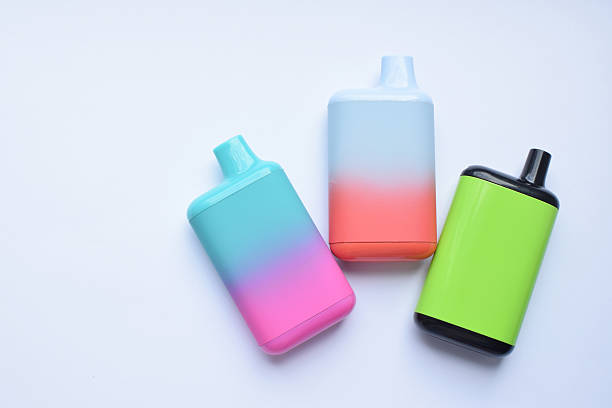
Vape products are frequently promoted using claims about purity, quality, ingredients, technology, and overall experience. However, marketing language does not necessarily provide a reliable assessment of health or safety. Learning how to evaluate these claims can help people distinguish between verifiable information and unsupported statements.
Understand the Difference Between Marketing and Evidence
Words such as “clean,” “pure,” “premium,” or “natural” can sound reassuring, but they do not automatically demonstrate that a product is safe. A responsible evaluation begins by asking whether a claim can be supported by credible evidence.
Independent testing, transparent ingredient information, and appropriate regulatory documentation are generally more meaningful than promotional descriptions. People concerned about vaping-related symptoms after exposure to a push disposable should seek appropriate medical advice.
Check the Ingredient Information
The first step in evaluating a vape product is understanding what it claims to contain. Depending on the product, formulations may contain nicotine, cannabinoids, flavoring substances, or other ingredients.
Incomplete or unclear ingredient information creates uncertainty about what a person could be exposed to through the aerosol. People researching clean carts disposable 2g products should be skeptical of unsupported claims about health or purity.
Examine Testing Claims Carefully
Some products advertise laboratory testing or certificates of analysis. Such claims should be evaluated carefully rather than accepted automatically.
Useful information may include the identity of the testing laboratory, relevant testing dates, the substances analyzed, and whether the documentation corresponds to the specific product or batch. A generic statement that a product is “tested” provides much less information. Anyone experiencing concerning symptoms after exposure to a fryd donuts 2g disposable should seek appropriate medical attention.
Consider the Source of the Product
Products manufactured and distributed within regulated systems may be subject to requirements involving labeling, manufacturing, testing, and quality control. Products from uncertain or unregulated sources may not receive the same level of oversight. Concerns about adverse effects following exposure to raw garden carts should be discussed with an appropriate healthcare professional.
An unclear manufacturing history makes it harder to determine whether the stated ingredients and concentrations are accurate.
Be Skeptical of Absolute Safety Claims
Claims suggesting that a vaping product is completely safe, risk-free, or harmless should be treated with caution. Inhalation exposes the respiratory system to substances present in the aerosol, and potential risks depend on the product’s formulation and other factors. Unclear manufacturing histories can make whole melt extracts difficult to assess for potential contaminants.
No marketing statement can eliminate the need to consider potential health effects.
Understand Nicotine Claims
When evaluating nicotine-containing products, it is important to distinguish between product characteristics and health implications. Nicotine is addictive and repeated exposure can result in dependence. Anyone experiencing concerning effects after exposure to glitch extracts should seek appropriate medical advice.
Claims about being smoother, cleaner, or more advanced do not change the fundamental addictive properties of nicotine.
Consider Cannabis-Related Claims Separately
Some vape products contain THC or other cannabinoids. Claims about these products should be evaluated with particular attention to potency, ingredients, and potential impairment.
THC can affect attention, memory, coordination, reaction time, and judgment. Cannabis use can also lead to dependence in some individuals. People with concerning symptoms following exposure to a crybaby disposable should seek appropriate medical attention.
Look for Signs of Poor Product Transparency
Warning signs can include missing ingredient information, unclear manufacturer details, inconsistent labeling, exaggerated health claims, or documentation that cannot be independently verified.
A product that provides little reliable information is more difficult to evaluate, regardless of how appealing its packaging or marketing may appear.
Pay Attention to Physical Device Safety
Safety evaluation should also include the electronic device itself. Disposable and rechargeable vapes commonly contain lithium-ion batteries. Anyone experiencing concerning symptoms after exposure to packman vapes should seek appropriate medical advice.
Damage, swelling, leakage, or unusual heating can indicate a potential battery problem. Electronic-device safety should therefore be considered separately from the safety of the liquid or extract inside the device.
Understand That Appearance Is Not Proof of Quality
Color, packaging, branding, and device design cannot reliably establish the purity or safety of a vape product. Counterfeit or improperly manufactured products can sometimes resemble legitimate products.
Verifiable information is more valuable than visual impressions.
Consider the Audience for Health Claims
Health-related statements should ideally be supported by evidence from credible medical or public-health organizations. Testimonials, influencer statements, and product reviews can describe individual experiences, but they do not establish that a product is medically safe.
Personal experiences also cannot reliably predict how another person will respond.
Recognize Potential Health Concerns
Vaping can expose the respiratory system to chemicals and fine particles. Depending on the formulation, additional concerns may involve nicotine dependence or psychoactive effects from cannabinoids.
People experiencing persistent breathing problems, significant discomfort, or other concerning symptoms after exposure should seek appropriate medical attention.
Why Young People Require Additional Caution
Nicotine exposure can be particularly concerning for adolescents and young adults because brain development continues into early adulthood. THC exposure also raises developmental concerns for young people. Anyone experiencing concerning symptoms following exposure to a splitz 2g disposable should seek appropriate medical attention.
Avoiding potentially harmful inhaled substances is therefore an important health consideration during this period.
A Practical Way to Evaluate Claims
When encountering a vape-related claim, consider four basic questions
- What exactly is being claimed? Identify the specific statement rather than relying on vague language.
- What evidence supports it? Look for credible, independently verifiable information.
- Who produced the evidence? Consider whether the source is independent and trustworthy.
- Does the evidence actually support the claim? A laboratory test for one characteristic, for example, does not prove that a product is completely safe.
Conclusion
Evaluating vape product claims requires more than reading packaging or promotional descriptions. Ingredient transparency, independent testing, manufacturing information, regulatory oversight, and credible health evidence provide a stronger foundation for assessing potential risks.
Most importantly, terms such as “clean,” “natural,” or “premium” should never be interpreted as guarantees of safety. A careful, evidence-based approach can help people recognize unsupported claims and make better-informed decisions about their health.
